


What is a data diode and how does it work?
A data diode is hardware device that is often called a “unidirectional security gateway”. It is placed between two networks with different levels of security and controls the flow of information. Read more
Physically enforced cybersecurity based on optical technology

Data diodes ensure secure, one-way data transfer by enforcing unidirectional flow between networks.
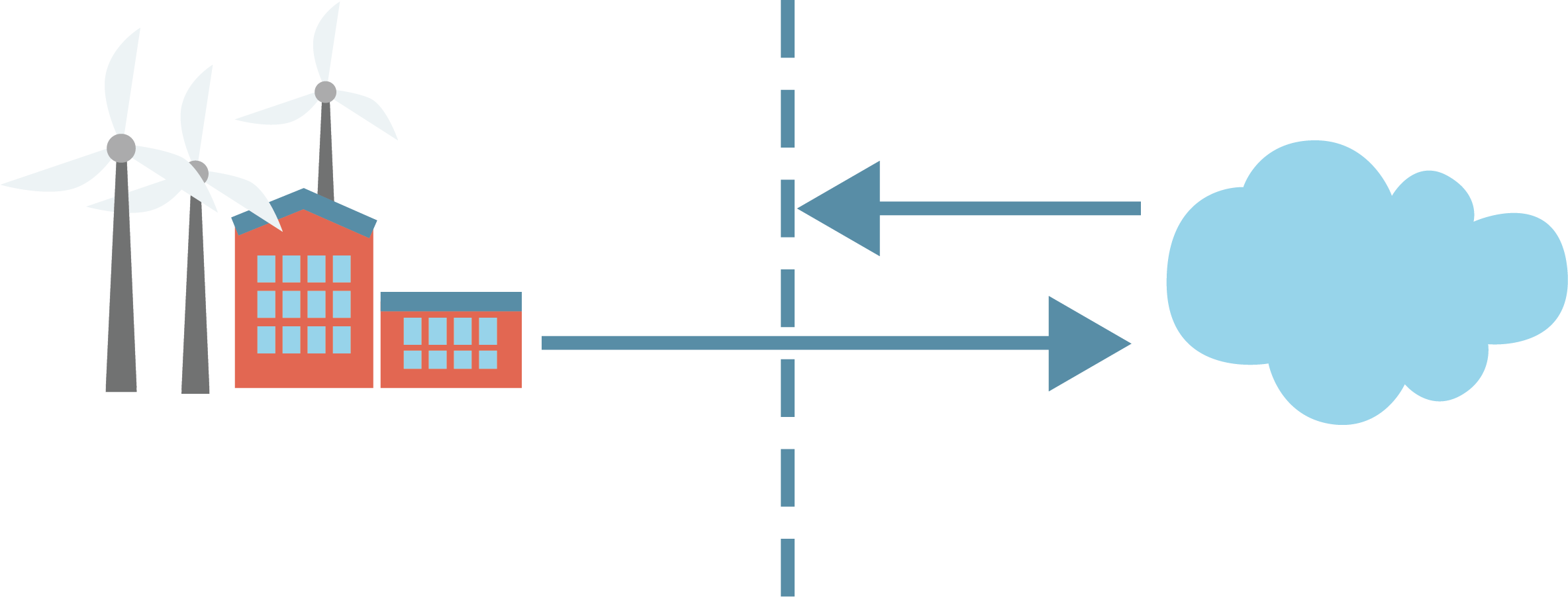
Data diodes protect critical systems from external threats, eliminate the risk of backchannel attacks, and help maintain data integrity by preventing tampering or unintended return traffic.
Ideal for use cases such as secure file import, production data export, monitoring, and logging - all without compromising network separation or compliance requirements.
Our data diodes are based on optical technology, ensuring separation of networks in hardware. A persistent one-way solution, immune to misconfiguration and malware.
Our powerful hardware-based data diodes cover all your needs for one-way data flow applications.
Our powerful hardware-based data diodes cover numerous use cases for one-way data flow applications. Explore below and find out which product suits your specific needs. Contact us for support, we are at your service.
Our proxy software and services converts your bi-directional networks to uni-directional.
A data diode is hardware device that is often called a “unidirectional security gateway”. It is placed between two networks with different levels of security and controls the flow of information. Read more

Read more about how data diodes provide the same level of security but at the same time make it possible to connect the systems. Read more
Contact us

Rickard Nilsson
COO
A data diode is a hardware-based network segmentation product that ensures that data only flow in one direction. This prevents external systems from sending data back into a protected network, significantly reducing the risk of cyberattacks. Advenica's data diode portfolio is designed for highly secure environments. All Advenica data diodes are based on optical technology, physically ensuring one-way data flow.
While a data diode may seem like a premium solution, its cost is minor compared to the financial and operational impact of a security breach. With minimal maintenance and administration compared to alternative technologies, it delivers long-term protection with low total cost of ownership — making it a smart, future-proof investment for any critical environment.
We offer a large selection of data diodes starting at around €3000 CAPEX with final pricing depending on solution complexity and scope. Read more about pricing.
The relevant certifications and approvals are listed on the webpage for the specific product.
There are several different data diode models depending on use case, compliance requirements and complexity of the solution. The two main categories are pure hardware diodes and diodes including proxy software. Within the hardware data diodes, there are different models depending on deployment environment and performance needs. DD1G and DD1000A both have 1Gbps interfaces, but different certifications. DDSFX-10G has support for 10Gbps and comes in an SFP form factor. DD1000i is our most popular data diode with built-in proxies. For industrial use, the DD500E is preferred and DD500E-R for railway trackside installations. For modular solutions, we offer standalone proxy software Data Diode Engine that can be combined with all hardware data diodes. Support for many unidirectional use cases are solved with our add-on Data Diode Services.
The choice primarily depends on protocol requirements, assurance levels, and deployment environment. Contact us to find out which data diode suits your needs.
Unlike software-based security controls, a data diode physically enforces one-way communication, making it immune to misconfiguration and significantly reducing the attack surface, making it a more secure solution than a firewall.
Yes. Advenica data diodes use optical technology to physically enforce one-way data flow. Because the protection is hardware-based, it is not dependent on software configuration alone.
The purpose of a data diode is to physically prevent reverse communication. Unlike software-only segmentation approaches, the optical barrier enforces network separation at the hardware level, which can not be bypassed.
Yes. Common use cases include:
• OT-to-IT data export
• Production monitoring
• Predictive maintenance
• Security log forwarding
• Industrial analytics
• Cloud data collection while maintaining network isolation.
Typically no. Both DD1000i and DD500E are designed to integrate into existing environments with minimal operational disruption.
What network speeds are supported?
• DD500E: 100 Mbps interfaces for industrial applications.
• DD1000i: 1 Gbps interfaces with integrated proxy capabilities.
• DDSFX-10G: Designed for 10 Gbps deployments.


