How to conduct a security analysis?

When you start to work with protective security, the first step is to carry out a protective security analysis. Such an analysis is the basis for all protective security work. So, how do you do a protective security analysis?
Introduction to protective security
Technological development gives us many new opportunities. The problem is that the authorities’ protective security has not kept pace with this development, which means that more shortcomings and vulnerabilities are exposed to potential attackers. To avoid the gap between threats and protection continuing to grow, more security measures are needed. The basis is a protective security analysis.
Questions we cover in this article
What is protective security?
Protective security means preventative measures to protect Sweden’s security against espionage, sabotage, terrorist crimes and other crimes. The technological development in recent years means that we need to broaden the concept of security. In addition, public sector organisations and private companies should now also be included within the framework of protective security.
The term ‘Sweden’s security’ refers to both military and civilian activities that may be of importance to Sweden’s security. What needs to be protected to prevent threats to Sweden’s security may to some extent change over time, but the activities that are important for Sweden’s security today all fall into one or more of the following categories:
Activities that are important for Sweden’s external security: This means Sweden’s ability to maintain national defence (territorial sovereignty) as well as Sweden’s integrity, independence, and freedom of action (political independence).
Activities that are important for Sweden’s internal security: This refers to Sweden’s ability to maintain and ensure basic structures in the form of the democratic state, the judiciary, and a law enforcement capacity at national level.
Nationally important activities: This means deliveries, services and functions that are necessary for society’s functionality at national level.
Activities that are important for Sweden’s economy: This refers to the national ability to pay.
Damage-generating activities: This includes an activity that, if exposed to an antagonistic act, can generate damaging consequences for other security-sensitive activities.
What is the Protective Security Act?
On April 1st 2019, a new Protective Security Act was introduced in Sweden. It applies to all activities that are important for Sweden’s security, for example various forms of critical infrastructure. The act entails new higher requirements regarding protective security work and is introduced in order to reduce vulnerabilities.
How do we conduct a protective security analysis and plan?
When starting to work with protective security, the first step is to carry out a protective security analysis. Such an analysis is the basis for all protective security work. You are obliged to make a protective security analysis if you conduct security-sensitive activities to investigate the need for protective security. How do you carry out a protective security analysis?
1. What is the goal of the business?
Make a business description where it is clear what responsibilities and processes that exist in the business. Also note any dependence on other functions, both internal and external.
2. Which are the protection values of the business?
Think about what the protection values of the business are, i.e. what are the most sensitive parts, the parts that can affect Sweden’s security if someone comes across them?
3. Which consequences can arise?
Make an impact assessment and assess where the limit for acceptance goes.
4. What is the threat?
Make a clear description of the threats and the opponent. What does the threat picture look like? What type of attacker could be considered a threat? Are there any known potential attackers and what is the threat associated with them?
5. Which vulnerabilities exist?
Perform a vulnerability analysis that shows vulnerabilities that are linked to the business’s protection values. These can be used by a potential attacker, and therefore it is important to know where they are.
6. Which protective measures should be chosen?
Finally, identified vulnerabilities should be linked to appropriate protection measures. The measures can be divided into three different areas: information security, physical security, and personnel security.
Protective security plan
Once you have completed your protective security analysis, a protective security plan must be drawn up based on your analysis, which deals with information security, physical security, and personnel security. The protection plan must clarify which protective security measures that must be taken.
How to work with your protective security is always based on the Protective Security Act. Under the Protective Security Act is the Protective Security Ordinance, which itself is followed by various regulations and guidelines. These regulations and guidelines thus apply to different sectors, which means specific rules for different organisations.
The Protective Security Ordinance states that if security-classified data is to be communicated to an information system outside the operator’s control, the data must be protected by cryptographic functions that are approved by the Swedish Armed Forces. VPN encryption is one such solution.

What is VPN encryptors?
Sometimes sensitive information cannot be sent openly over the Internet. A VPN (Virtual Private Network) encrypts your connection by creating secure tunnels between devices or networks, keeping your data private and unreadable to outsiders.
Hardware-based encryption solutions are more expensive and complex but provide stronger security, making them ideal when protecting highly sensitive information is a top priority - hardware solutions should be your choice.
Interested in learning more about Advenica’s solution SecuriVPN?

What is a data diode?
In the Security Police’s regulations on protective security (PMFS 2022:1) it is stated that information systems that are separated from other information systems may transmit data for import or export through one-way communication. A product that can be used for that is a data diode.
A data diode is a cybersecurity solution that ensures a one-way exchange of information. This hardware product, with its high assurance, maintains both network integrity by preventing intrusions and network confidentiality by protecting the most sensitive information. Data diodes are hardware products that are placed between two networks. A data diode acts as a check valve whose function only allows data to be sent forward while blocking all data in the opposite direction.
Want to find the right solution for your business?
We are at your service.

What is security culture?
Cybersecurity is not just a technical issue but a human one, as many serious breaches occur due to people rather than technical flaws. Therefore, building a strong security culture is essential.
Security culture refers to the shared values, attitudes, knowledge, and behaviours within an organisation that shape how employees think about and act on security and risk in their daily work. Improving it requires changing attitudes and behaviours, treating cybersecurity as a business-critical priority rather than just an IT issue, and ensuring management actively supports it. Security should be seen as something that enables work, not hinders it.
Related products
-
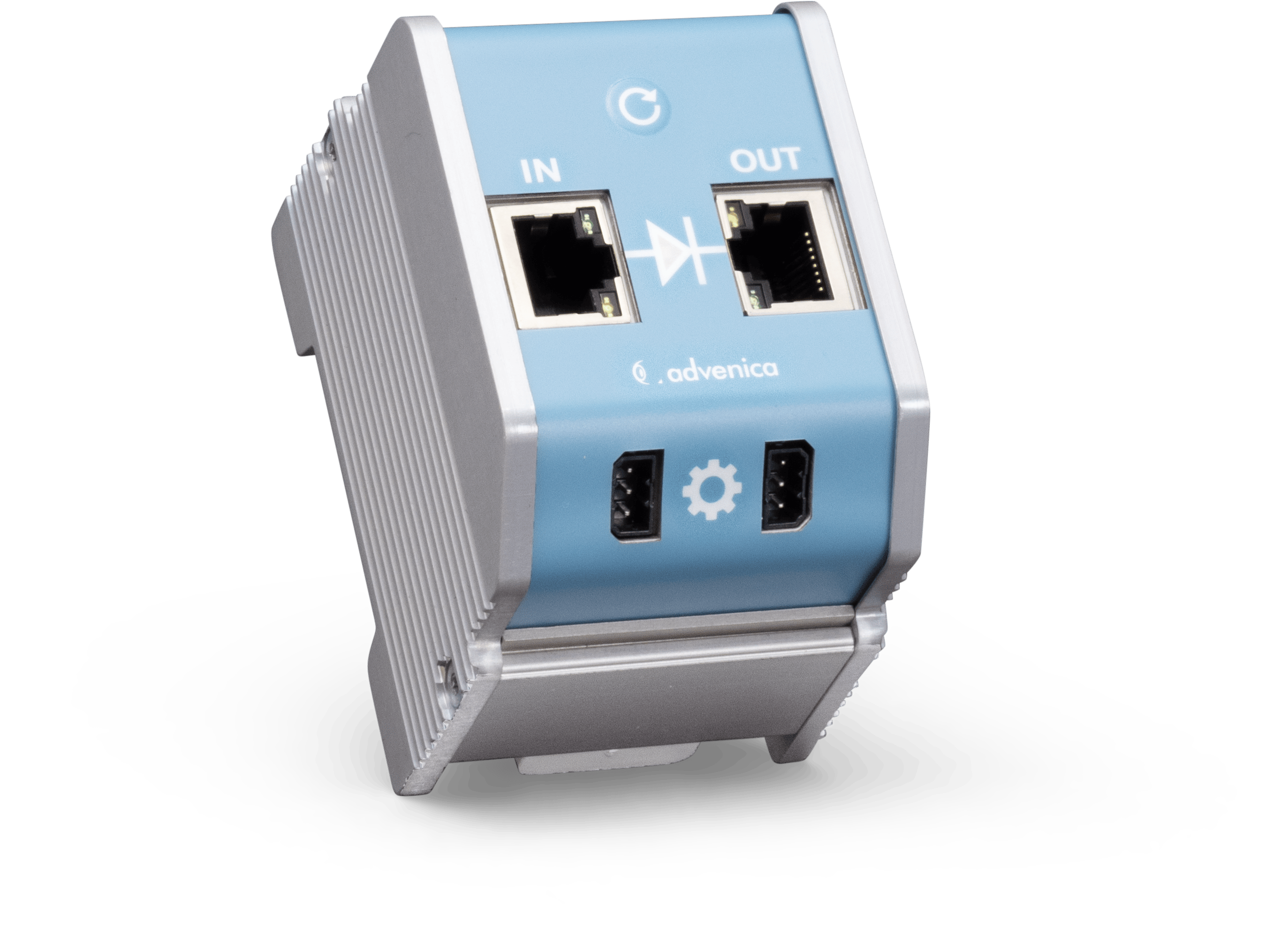
Data Diode DD500E
Tailor-made for industrial use.
-
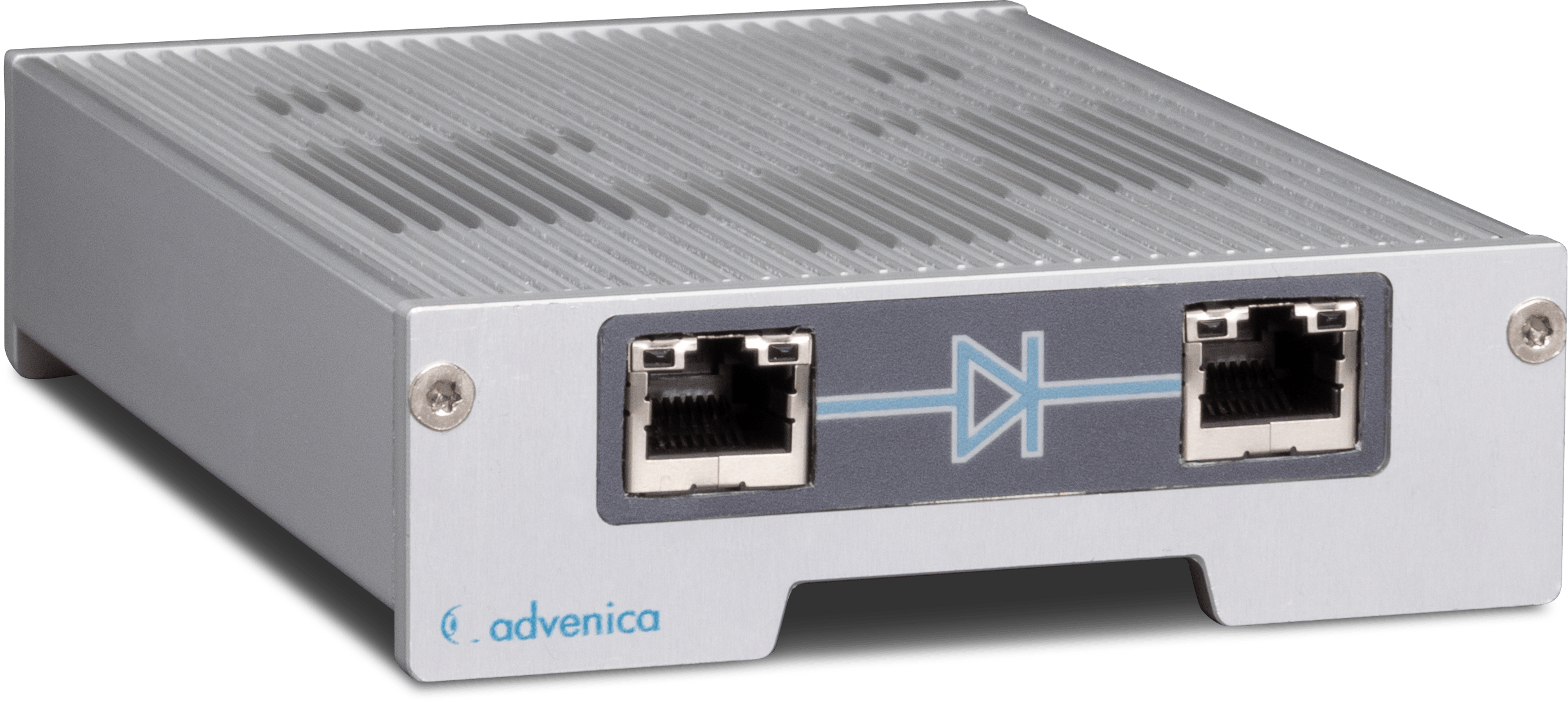
Data Diode DD1G
Gigabit one-way data flow.
-
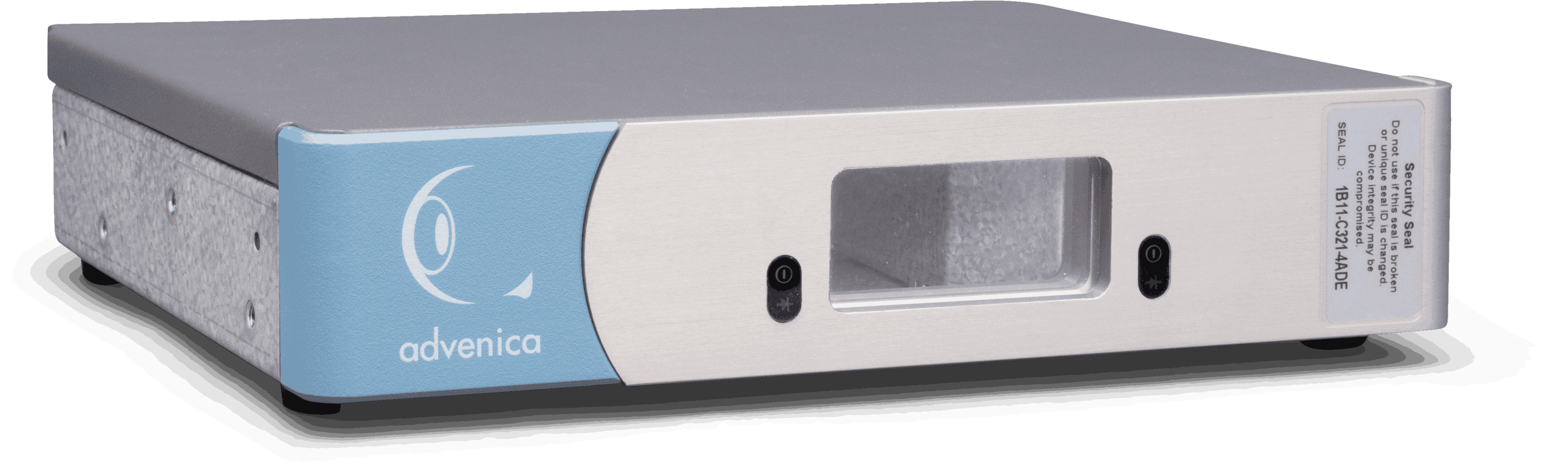
Data Diode DD1000A
High security one-way data flow.
-
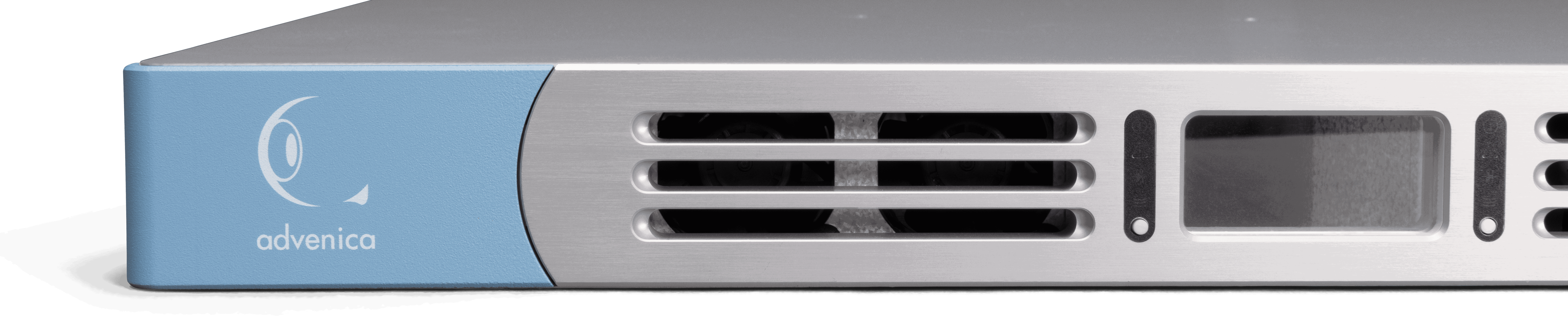
Data Diode DD1000i
Appliance with integrated proxies.
-
Data Diode DDSFX-10G
Unique SFP-based data diode.

-
Data Diode Engine
Enabling one-way data flow.
-
Data Diode Services
Transforming two-way to one-way.
-
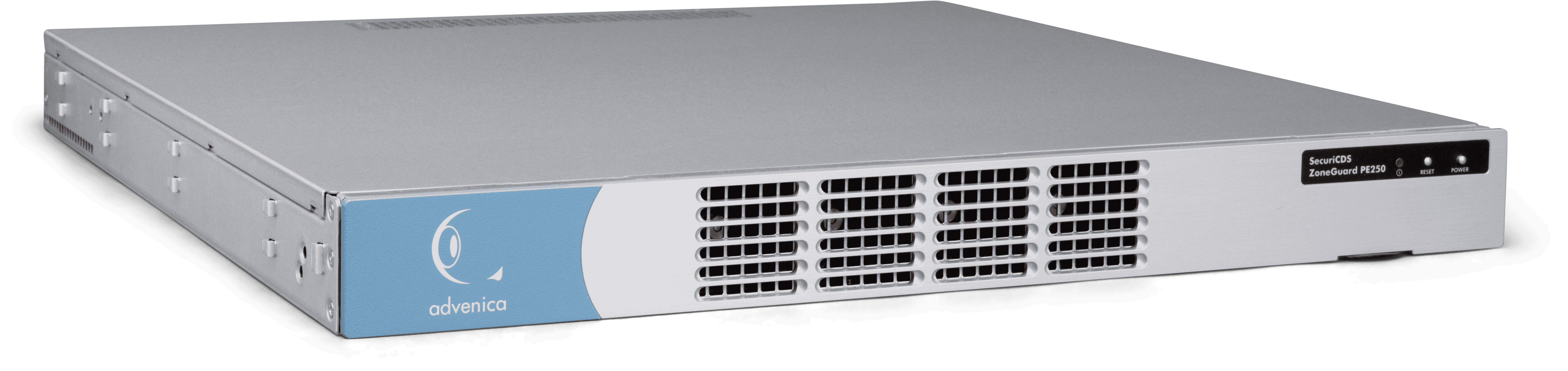
ZoneGuard
Validate information exchange.
-
SecuriVPN
Quantum-secure IP encryption.



FAQ
Who needs a data diode or a VPN encryptor?
Organisations that handle sensitive information, such as those in defence, authorities, infrastructure, and industry.
What data diodes does Advenica offer?
Advenica offers a broad portfolio of data diodes including DD1000i, DD1000A, DD1G, DD500E, DDSFX-10G, Data Diode Engine and Data Diode Services.
What kind of VPN encryptor does Advenica offer?
Advenica´s product SecuriVPN is a hardware-based quantum-secured network encryptor that provides the means for truly private communication within a geographically scattered organisation. The system prevents state-funded attackers from reading or changing the data.
How does a data diode work?
A data diode allows data to move in only one direction using optical fiber with a sender and receiver. This prevents two-way communication, stopping cyberattacks, data leakage, and manipulation. Because it is hardware-based, it cannot be compromised by malicious software, helping protect the network’s confidentiality and integrity.
How does a VPN encryptor work?
A VPN encryptor protects sensitive information by creating a secure, encrypted tunnel between devices or networks. This ensures that data transmitted over the Internet remains private and unreadable to unauthorized parties.
How does a data diode differ from a VPN encryptor?
A data diode is a hardware device that allows data to flow in only one direction between two networks. In contrast, VPN encryptors are devices or software that encrypt data, allowing it to travel securely in both directions between networks over an untrusted network, such as the internet.
Sectors We Serve


Let's find the right solution for you. We are at your service.

Rickard Nilsson
COO
