3 security problems that authorities can solve with the help of data diodes

Authorities are increasingly exposed to various types of cyberattacks. To protect yourself, you need to raise the level of cybersecurity work and make sure to work systematically with various measures. Learn more about the importance of working with cybersecurity and how to choose the right kind of solution.
Questions we cover in this article
What is a data diode?
Data diodes are the fail-safe way to protect sensitive systems and confidential data. A data diode is a security product that is placed between two networks and acts as a non-return valve whose function only allows data to be sent in one direction while blocking all data in the opposite direction.
Since the security properties of the data diode are based on hardware and optical fiber, it can be shown that it is physically impossible for data to be transported in the opposite direction. Because security is not based on software, there are no vulnerabilities in the form of software bugs, nor can it be attacked by malicious code. Hardware-based security means that you can show that data diodes have high assurance.

Why do you need a data diode?
A solution often used to protect sensitive or classified information from leakage or manipulation is to disconnect it from other networks entirely. However, there are situations when data needs to be transferred to or from the protected network.
The most common solution used to regulate the flow of information is probably a firewall. The purpose of a firewall is protecting your network by only allowing certain traffic to enter it. It monitors and filters what traffic and data packets that enter the network and is blocked based on a set of rules.
If you need to transfer information to or from a security-sensitive network, a firewall is not the only product you need in your toolbox to improve your cybersecurity. Although a firewall strives to protect the network, a high assurance supplement in the form of a Cross Domain Solution is also needed. Cross Domain Solution (CDS) is a term used to describe the concept of maintaining secure information exchange between domains with different security or protection needs. A data diode is a Cross Domain Solution.
Want to find the right solution for you?
We are at your service.
In which areas can authorities use a data diode?
Authorities often handle large amounts of sensitive information. Information that can be valuable both for society, the authority and for the individual. If such information is lost or incorrect, it can have disastrous consequences.
A solution that is often used to protect sensitive or security-classified information from leakage or manipulation is to disconnect it from other networks entirely, a so-called air-gap. However, there are situations when you need to secure information exchange between domains with different security or protection needs. This can be between databases, servers, applications or combinations of these – then you need a Cross Domain Solution. Data diodes address the concept of communicating, sharing, or moving information between domains and apply validation, transformation, or filtering to the exchange.
Three areas where authorities need a data diode
Secure file transfer
Transferring socially critical information from a system to an administrative office network involves potential security risks. However, if a data diode is pointed out of the high-security network toward a lower-security network, data can be transmitted while the network remains protected. By transmitting information through a data diode, you are guaranteed that no one else can use the same connection in the opposite direction to access the sensitive network and manipulate its environment.
A data diode can also be aimed at the sensitive network. In these cases, it is most likely that you want to collect information from another network. The security risk that arises is how you collect the information while ensuring that no sensitive data from your sensitive network is leaked through this channel. A data diode ensures network confidentiality by preventing leakage from occurring.
Interested in learning more about our data diodes?
Traceability and logging in security-sensitive operations
Centralised log collection in security-sensitive systems increases the risk of attacks. To reduce the risks, a solution is required that protects both log information and all connected systems. Most IT systems create logs that enable troubleshooting and traceability. To get the most out of such logs, it is important to collect logs from as many systems as possible into a central system for storage and analysis. If you have security-sensitive or zoned systems and want to introduce centralised log collection, you must consider a built-in goal conflict. Logging benefits from having a common system for all zones/subsystems while a common system increases the risk of attacks of various kinds.
Centralised log collection is a task that can be protected in a very powerful way using data diodes. All zones that deliver log information are protected with a data diode each. The data flow is unidirectional in the direction of the log system. A common log system can thus be used regardless of how many zones that deliver data to the log system. If any of the zones contain secret information, the log system must be protected at the corresponding level of confidentiality, alternatively the log information from such a zone must be filtered so that the log system is not contaminated with secret information. However, this can lead to a decrease in the value of the log information because the free text data often must be filtered out, which means that the log information can become more difficult to interpret. Learn more here.
Secure updates
Since the start with Windows and/or Linux based systems within ICS/SCADA, the need to be able to update these systems has increased. This need is because complex software often contains bugs that should be fixed to ensure system stability and security. But doing these updates is something that can itself pose a security risk if not done properly. Integrity and availability of the systems must be maintained, and most system updates are normally not sufficiently evaluated in the environment in which they are used or in combination with the applications that are running.
The update can be done securely by using a data diode that ensures a one-way communication. The data diode is connected so that information can be imported into the system, but since no traffic can be transmitted in the opposite direction, information leakage is made impossible. Learn more here.
Need more help securing your information?
We are at your service.
Related products
-
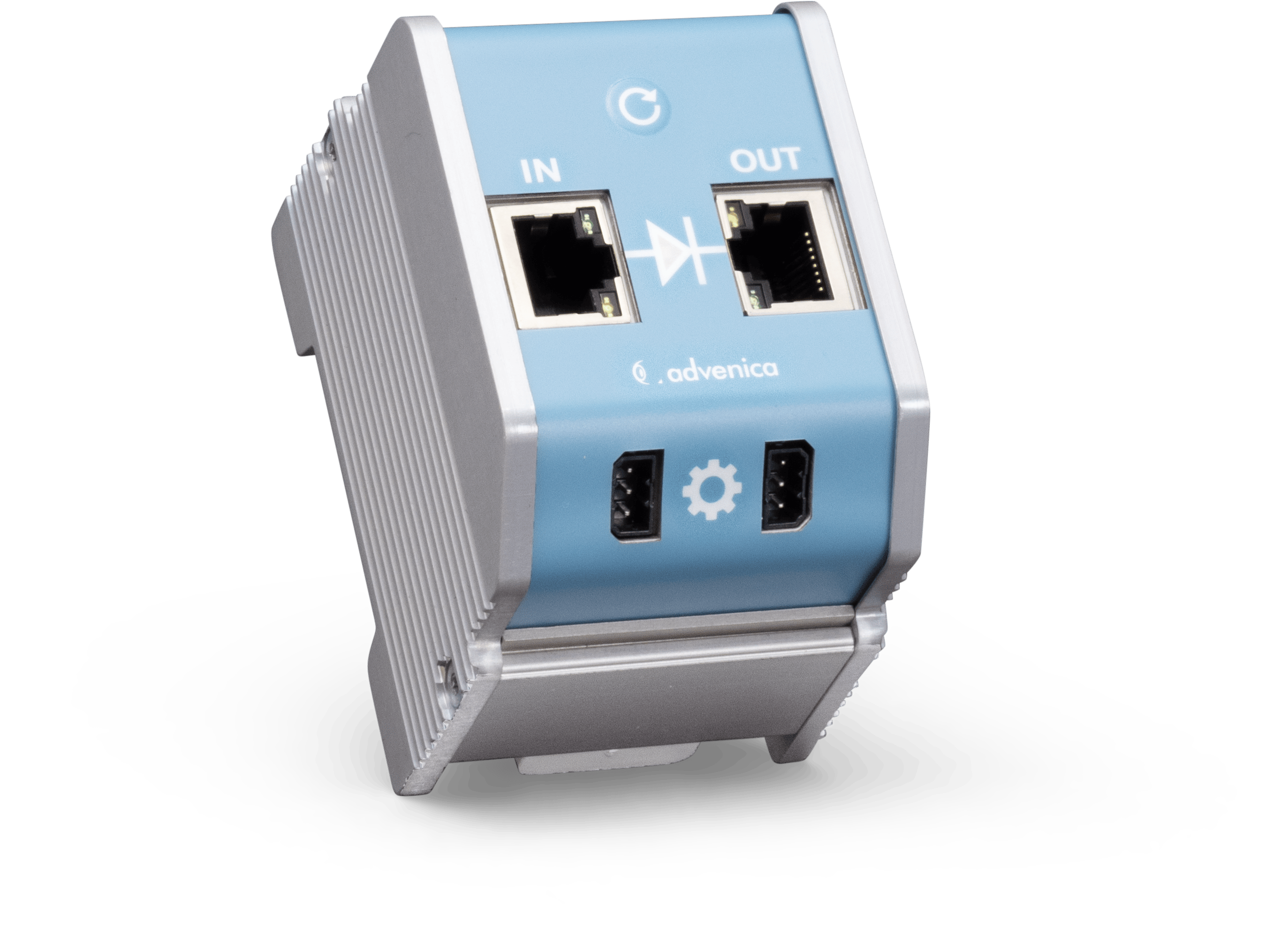
Data Diode DD500E
Tailor-made for industrial use.
-
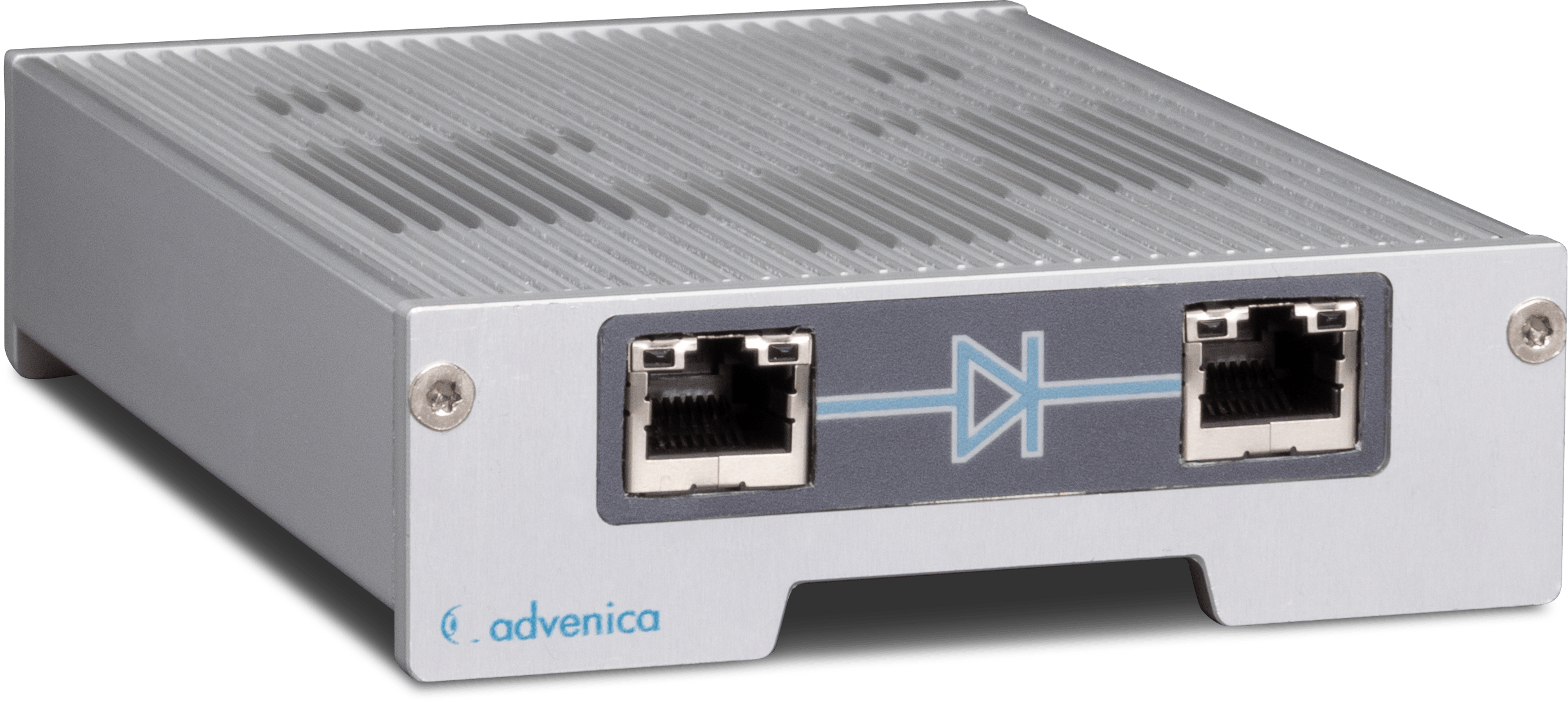
Data Diode DD1G
Gigabit one-way data flow.
-
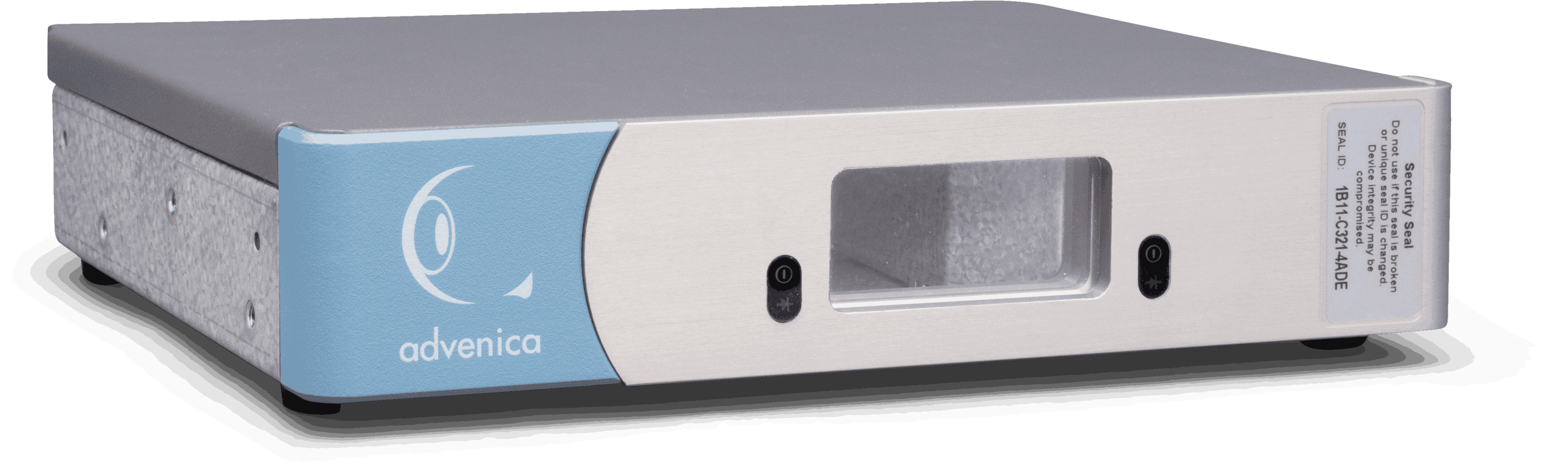
Data Diode DD1000A
High security one-way data flow.
-
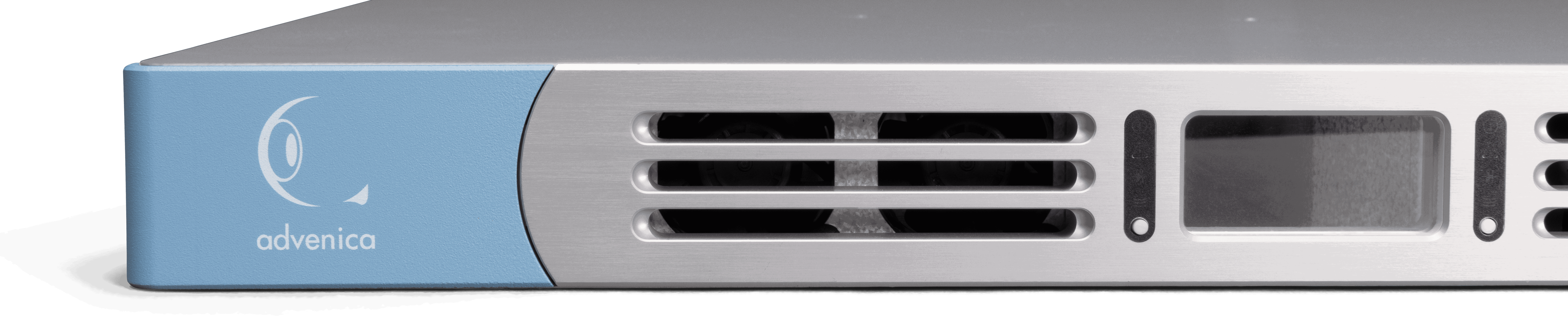
Data Diode DD1000i
Appliance with integrated proxies.
-
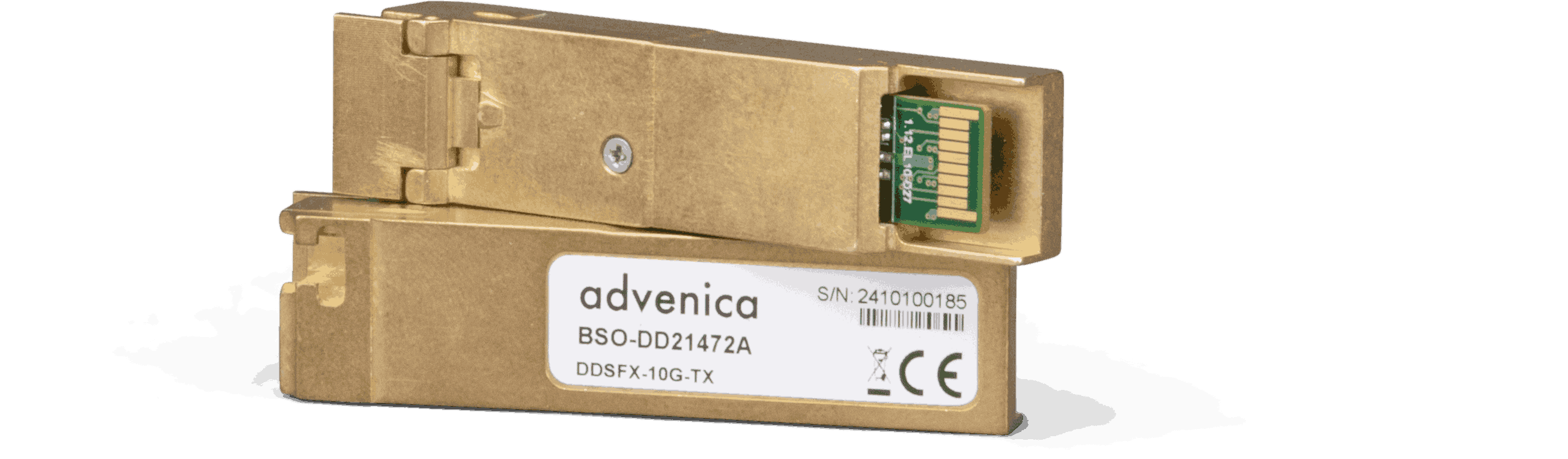
Data Diode DDSFX-10G
Unique SFP-based data diode.
-
Data Diode Engine
Enabling one-way data flow.
-
Data Diode Services
Transforming two-way to one-way.


FAQ
Who needs a data diode?
Organisations that handle sensitive information, such as those in defence, authorities, infrastructure, and industry.
What are the various types of data diodes?
Advenica offers a broad portfolio of data diodes including DD1000i, DD1000A, DD1G, DD500E, DDSFX-10G, Data Diode Engine and Data Diode Services.
How does a data diode work?
A data diode allows data to move in only one direction using optical fiber with a sender and receiver. This prevents two-way communication, stopping cyberattacks, data leakage, and manipulation. Because it is hardware-based, it cannot be compromised by malicious software, helping protect the network’s confidentiality and integrity.
How much does a data diode cost?
There are different types of data diodes with different functions, which also means that the costs can vary. Something that also can affect the price is if the data diode is certified.
Advenica’s data diodes have a unique certification, N3, in Sweden – Advenica are the only ones with this certification level in Sweden. N3 is a certification issued by the Swedish Armed Forces.
Advenica’s data diodes DD1000A and DD1000i are approved by the Swedish Armed Forces at component assurance level N3, which e.g. handles data up to and including level KVALIFICERAT HEMLIGT/TOP SECRET according to the Swedish Armed Forces’ “Krav på säkerhetsfunktioner” (KSF). So a higher cost for a data diode with a high certification will also give you much higher security.
Do you want to know more about our data diodes? Do not hesitate to contact us. We are at your service.
Sectors We Serve


Contact us
Let's find the right solution for you. We are at your service.

Rickard Nilsson
COO
